May 7, 2026
This article provides comprehensive guidance on maximizing the efficiency, lifespan, and performance of your HVAC system. Whether you are a homeowner or a facility manager, understanding how to optimize HVAC operations can lead to improved comfort, cost savings, and environmental benefits. Implementing these strategies, along with scheduling routine HVAC service, can ensure that your HVAC system remains in peak condition, providing warm air during the winter months and cool air in the summer.
Understanding Your HVAC System
HVAC systems, which stand for Heating, Ventilation, and Air Conditioning, are designed to regulate the indoor environment's temperature and air quality. They function by using mechanical components such as compressors, heat exchangers, and fans to manage the air temperature and cleanliness. HVAC systems can either utilize a central cooling or heating unit with air delivered through ductwork, or they might employ individual room units. Refrigerants play a key part in the cooling aspect, while heating may involve gas burners or heat pumps. Understanding these basic mechanics is essential for anyone looking to optimize their HVAC system's performance and communicate effectively with any HVAC service provider.
There are several common types of HVAC systems, each with distinct advantages and disadvantages. Central air conditioning systems are widely used in larger residential and commercial spaces, providing consistent climate control. Ductless mini-split systems are ideal for individual room temperature management, offering flexibility and energy savings. There are also hybrid systems that combine the efficiency of a heat pump with a traditional gas furnace. Radiant heating systems that employ hot water tubing embedded in floors are another efficient option, providing comfort in cold weather and often requiring specialized HVAC service expertise.
A typical HVAC system consists of several key components that work together to maintain indoor comfort. The furnace or heat pump generates warmth during the colder months, while the air conditioner cools down indoor spaces in the summer. The ductwork is responsible for distributing conditioned air throughout the building, while vents control the flow and direction of the air. It is important to leave enough room near vents to allow the air to filter into the room. According to This Old House, there should be at least three feet of clear space in front of HVAC vents. Thermostats allow users to set desired temperatures, offering programmable and smart options for energy efficiency. Air filters and purifiers are installed within the system to remove contaminants from the air, ensuring indoor air quality remains high.
The sizing of an HVAC system is critical in determining its efficiency and effectiveness. Installing an improperly sized unit can lead to increased energy consumption and inconsistent temperature control. An oversized system may cycle on and off too frequently, leading to excess wear and tear, while too small a unit may not adequately heat or cool the space. Professional HVAC contractors use load calculations to determine the appropriate system size based on factors like square footage, insulation levels, and climate conditions. Appropriate sizing ensures a balance between performance, comfort, and energy efficiency.
It is important to know the specifications of your HVAC system to ensure optimal performance and maintenance. Key specifications include the unit's cooling capacity measured in BTUs, the Seasonal Energy Efficiency Ratio (SEER), and Heating Seasonal Performance Factor (HSPF) ratings. These ratings indicate the system's energy efficiency, with higher numbers typically representing better performance. It's also crucial to familiarize yourself with the specifications for air filter types and sizes to maintain indoor air quality. By understanding these specifications, you can make informed decisions about upgrades, repairs, and when to schedule HVAC service.
Scheduling and Performing Regular Maintenance
Regular maintenance is essential for the optimal functioning of your HVAC system. Establishing a maintenance schedule should involve routine checks and servicing at key intervals, ideally before the change of each season. Routine maintenance can help identify potential issues early, avoiding unexpected breakdowns and costly repairs. Key tasks include filter replacements, checking ductwork for leaks, and lubricating moving parts. By adhering to a regular maintenance schedule, you ensure that the system operates efficiently and prolong its lifespan.
There are several maintenance tasks that homeowners can perform to keep their HVAC systems running smoothly. Regularly replacing or cleaning air filters is one of the simplest ways to prevent dust and debris from hindering airflow. Ensuring there is at least three feet of clear space around the outdoor unit of your HVAC, as advised by This Old House, is crucial for adequate airflow. Checking and cleaning vents and registers to remove any blockages will further ensure efficient air distribution. Finally, examining the thermostat settings to ensure they suit your daily needs can improve both comfort and energy efficiency.
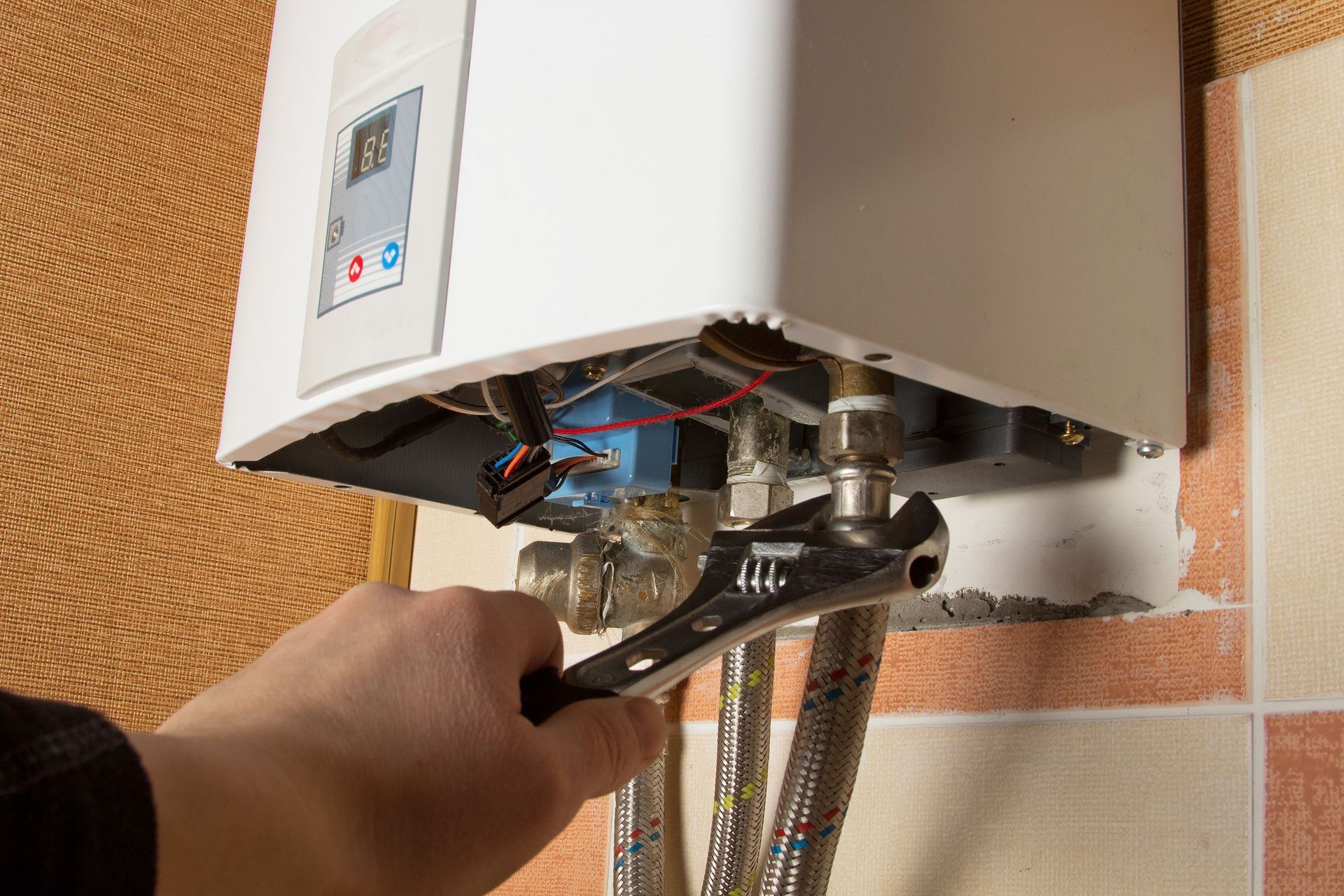
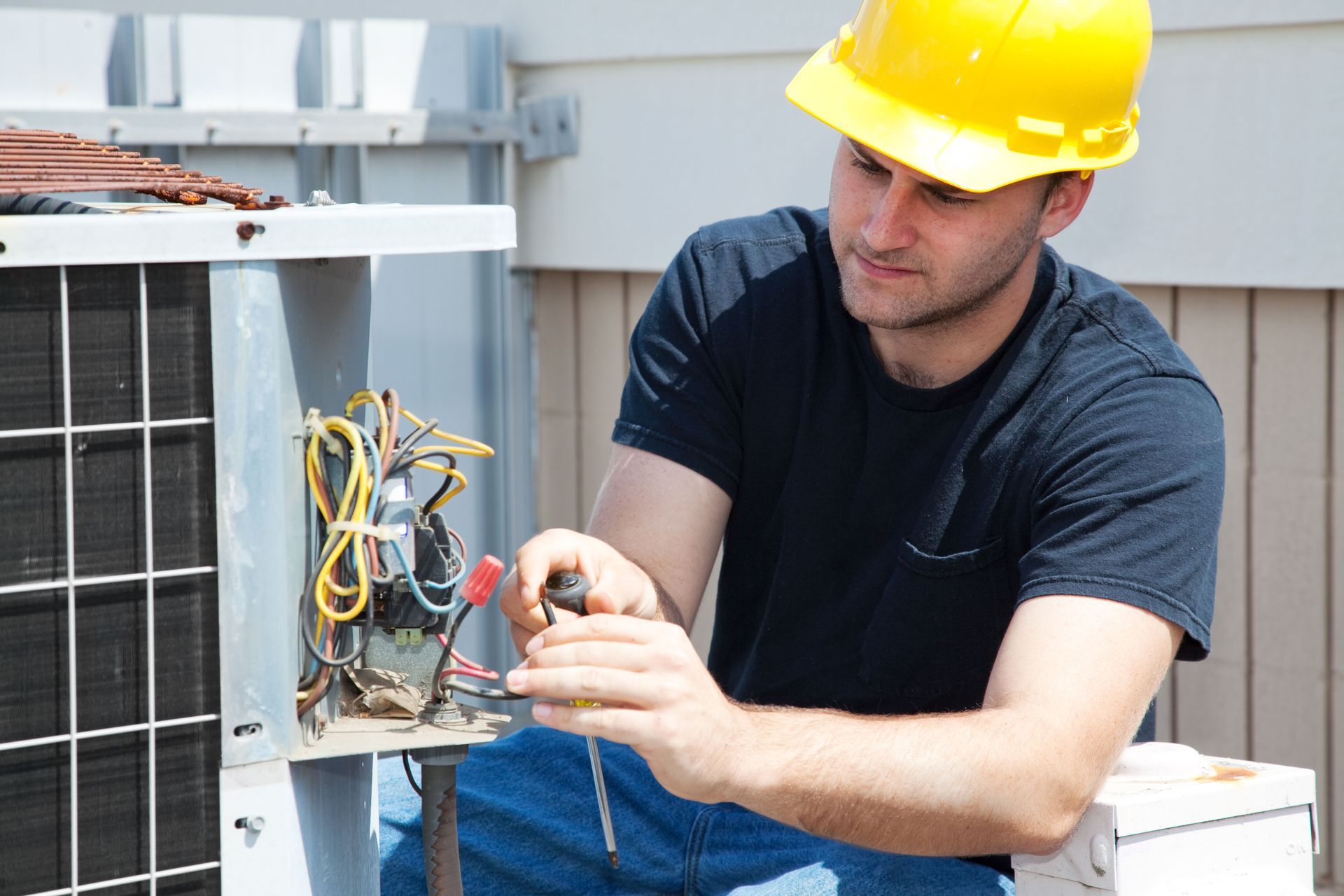
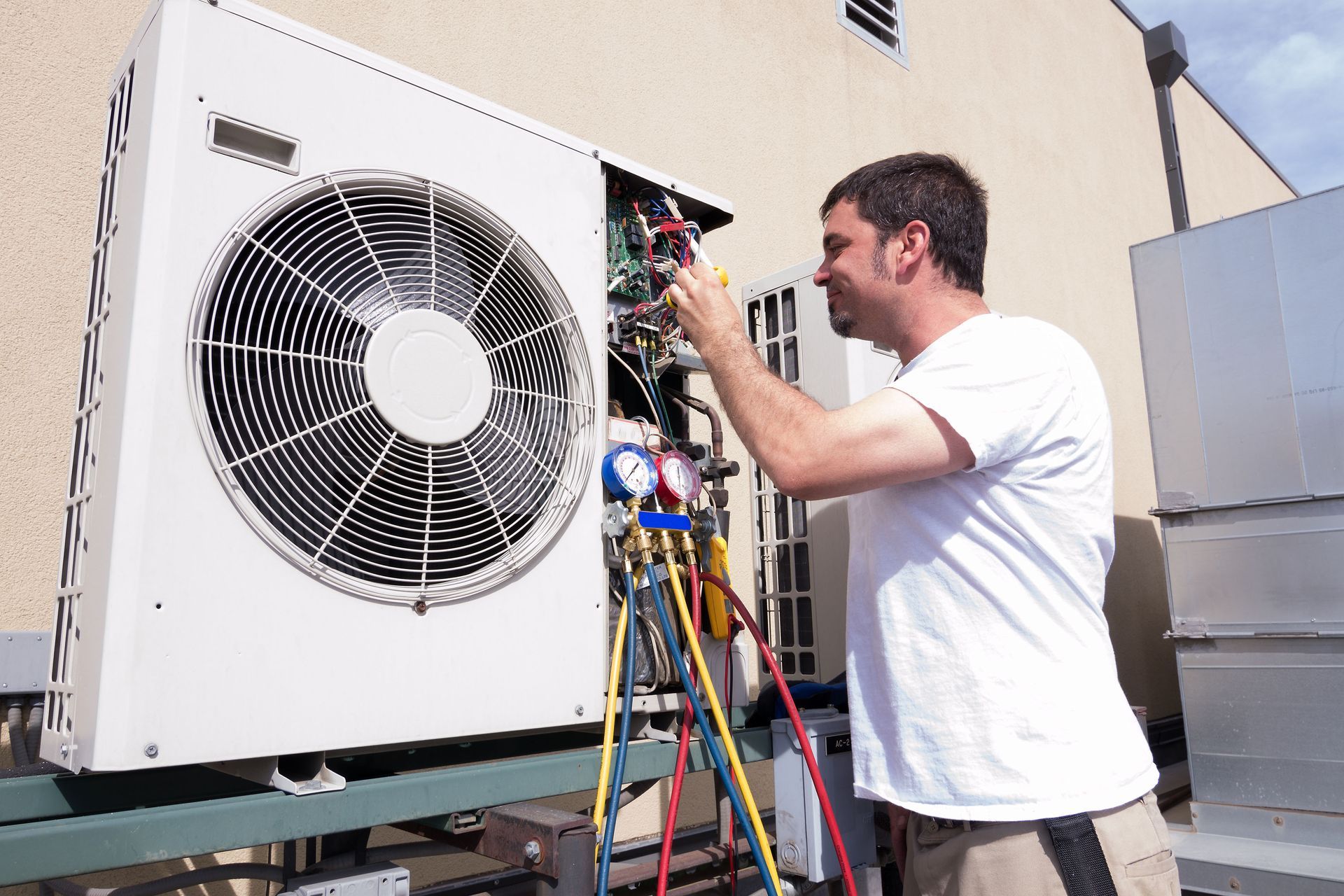
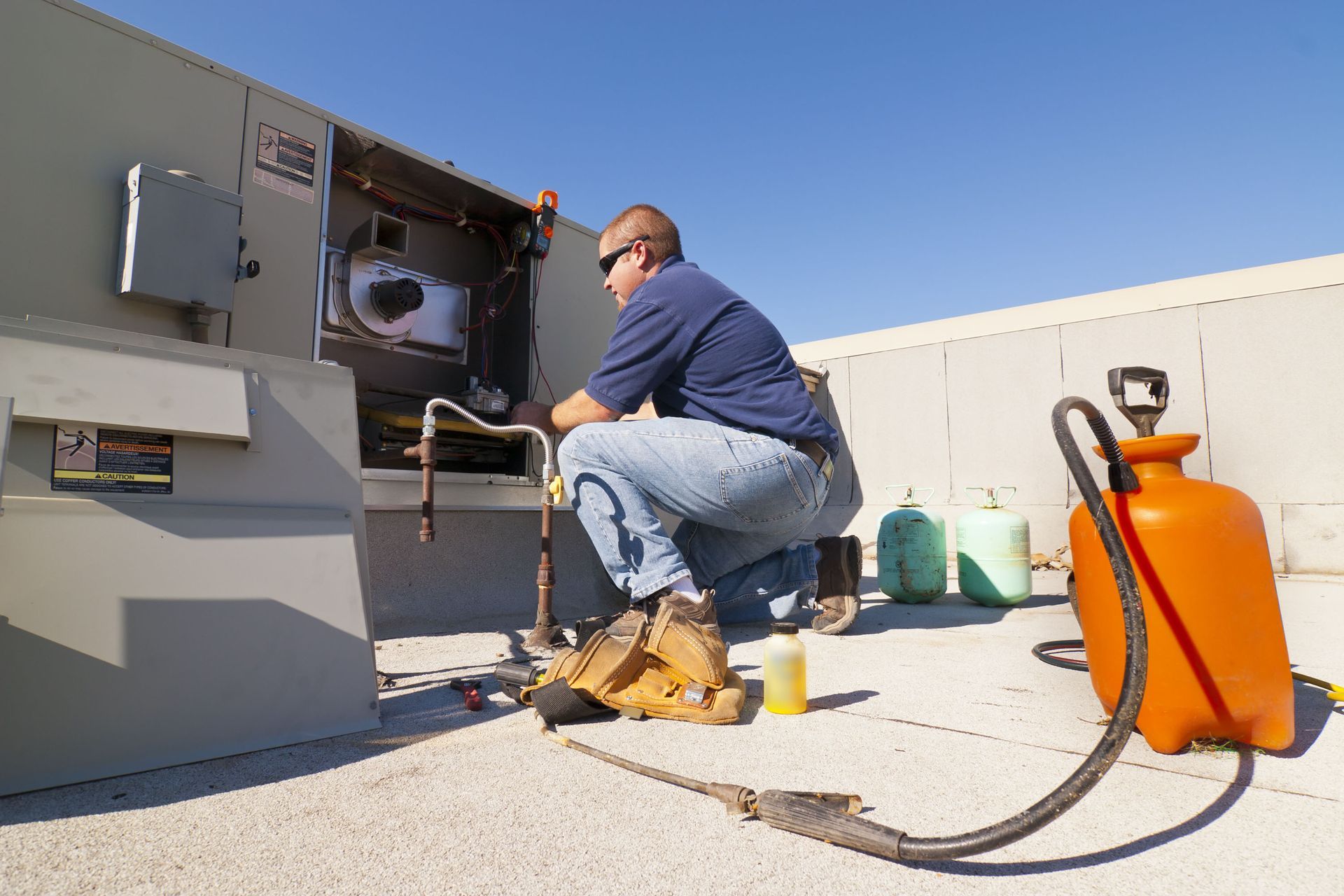
While some maintenance tasks can be performed independently, hiring a professional HVAC service is necessary for more complex inspections and repairs. Technicians have the necessary expertise and tools to examine and service the system's internal components thoroughly. Regular professional servicing, ideally twice a year, helps ensure that all parts are functioning correctly and can improve the system's lifespan and efficiency. Professionals can also identify minor issues that may develop into significant problems if left unaddressed. Hiring licensed and experienced technicians ensures the work is done safely and effectively.
Aging and frequently used HVAC systems often show signs of wear and tear, which can impact efficiency and functionality. Common indicators include strange noises, unusual odors, reduced airflow, and fluctuating temperatures. An unexplained spike in energy bills can also signal that the system is not functioning optimally. Early detection of these signs can help address issues before they become significant problems. Regular monitoring and professional maintenance are crucial in identifying and managing these concerns promptly.
Seasonal tune-ups are a vital component of HVAC maintenance, ensuring the system is ready to transition smoothly between heating and cooling demands. A comprehensive tune-up includes cleaning components such as coils and condensers, checking refrigerant levels, and testing system controls. Seasonal maintenance improves energy efficiency, reduces repair costs, and extends the system's lifespan. By preparing the HVAC system for changing weather conditions, you minimize the risk of unexpected breakdowns during peak heating or cooling periods. Regular tune-ups performed by a trusted HVAC service provider help maintain optimal indoor climate comfort year-round.
Enhancing Energy Efficiency
Choosing energy-efficient HVAC units is crucial for reducing energy consumption and lowering utility bills. High-efficiency models carry ratings like ENERGY STAR, indicating they meet specific energy-saving criteria set by the Environmental Protection Agency. Investing in these models often results in significant long-term cost savings and a smaller carbon footprint. Additionally, newer units typically come with advanced features like variable-speed motors and smart technology for optimized energy consumption. While the initial investment may be higher, the savings on energy bills often offset the cost over time.
Programmable thermostats are an effective tool for enhancing HVAC energy efficiency. They allow you to set heating and cooling schedules that match your lifestyle, automatically adjusting temperatures based on your daily routines. Implementing these systems can lead to significant energy and cost savings by ensuring the HVAC system is only running when needed. Maintaining consistent temperatures also reduces the strain on the system, prolonging its operational life and reducing the frequency of HVAC service needs.
Proper insulation plays a key role in the efficiency of your HVAC system. Well-insulated homes retain heat during winter and keep it out during summer, allowing the HVAC system to work more efficiently. Key areas for insulation improvements include attics, walls, and around windows and doors. Sealing air leaks can also prevent conditioned air from escaping, maintaining consistent indoor temperatures. Improved insulation reduces the load on the HVAC system, resulting in lower energy usage and utility bills.
Zoned heating and cooling systems allow you to control temperatures in different areas independently, boosting efficiency and comfort. This is especially useful in larger homes where temperature needs may vary from room to room. Integration with programmable thermostats further optimizes energy use, adapting heating and cooling to your schedule and reducing operational costs, particularly when supported by routine
HVAC service.
By implementing these strategies, you can ensure that your HVAC system operates at its optimal capacity. This not only maximizes comfort and air quality but also contributes to energy efficiency and cost savings. With proper care and planning, your HVAC system can effectively and efficiently serve you. To keep your HVAC system running smoothly, call Four Seasons Heating & Cooling Inc.