September 8, 2026
In modern living, heating, ventilation, and air conditioning (HVAC) systems are indispensable. They foster comfort by regulating indoor conditions, which is essential for health and productivity. Preventive maintenance is crucial for ensuring these systems operate at their best and provide an uninterrupted, comfortable atmosphere. Just like any other complex system, HVAC units suffer wear and tear over time, making it necessary to check them regularly to prevent breakdowns. Hence, HVAC contractors are ardent proponents of preventive maintenance to ensure system longevity, reliability, and efficiency.
1. The Importance of Regular HVAC Maintenance
Regular maintenance from HVAC contractors significantly extends your system's operating lifespan. When systems are checked and serviced routinely, minor issues are resolved before escalating into major problems that could lead to system failures. With a longer lifespan, homeowners and businesses can defer capital expenditures required for new heating and cooling equipment. Preventive maintenance also ensures that all components work harmoniously, reducing the likelihood of breakdowns. Consequently, homeowners and businesses enjoy an efficient system while postponing the need for replacements.
Energy efficiency is a critical aspect of modern HVAC systems, especially when considering environmental impacts. Regular maintenance such as cleaning coils, replacing filters, and ensuring optimal refrigerant levels enhances system efficiency. Well-maintained systems consume less energy, which translates to lower utility bills and a reduced carbon footprint. It's a win-win situation, as homeowners enjoy cost savings while contributing to environmental conservation. Additionally, an efficient HVAC system supports the nationwide push towards reducing energy consumption and embracing sustainable practices.
Indoor air quality is vital for health, and HVAC systems play a pivotal role in controlling it. During maintenance, components that can harbor allergens, dust, and bacteria are cleaned or replaced. Clean systems improve ventilation and filtration, thereby reducing airborne pollutants and enhancing air quality. This is especially crucial for individuals with respiratory ailments or allergies, who benefit from clean, pollutant-free indoor air. Consequently, maintaining good air quality not only enhances comfort but also supports overall health and well-being.
A proactive approach to HVAC maintenance can save significant costs associated with emergency repairs. Identifying and addressing issues early prevents them from worsening, which can lead to complex and expensive repairs. In addition to reactive repairs being costlier, they often occur at inconvenient times, causing discomfort and disruption. Investments in preventive maintenance improve system reliability, reducing the likelihood of unexpected breakages. Ultimately, ongoing maintenance reduces the financial burden and stress associated with sudden HVAC system failures.
2. Common Preventive Maintenance Tasks
The regular replacement of HVAC filters is a fundamental maintenance task for optimal system performance. Dirty filters limit airflow, forcing systems to work harder and consume more energy. Homeowners should aim to replace their filters every one to three months, depending on usage and filter type. Regular replacements are an easy yet effective way to optimize HVAC efficiency and improve air quality. Clean filters ensure that conditioned air is free of dust and allergens, contributing to a healthier indoor environment.
Inspecting and cleaning ductwork is essential to ensure the efficient distribution of air throughout a building. Over time, ducts can accumulate dust, debris, and pollutants, which impact air quality and system efficiency. Regular inspections can identify leaks and obstructions that inhibit airflow, guiding necessary repairs or cleanings. Clean ducts support efficient air distribution, enhancing system performance and reducing energy consumption. This routine maintenance task ensures consistent indoor comfort and contributes to a clean, healthy environment.
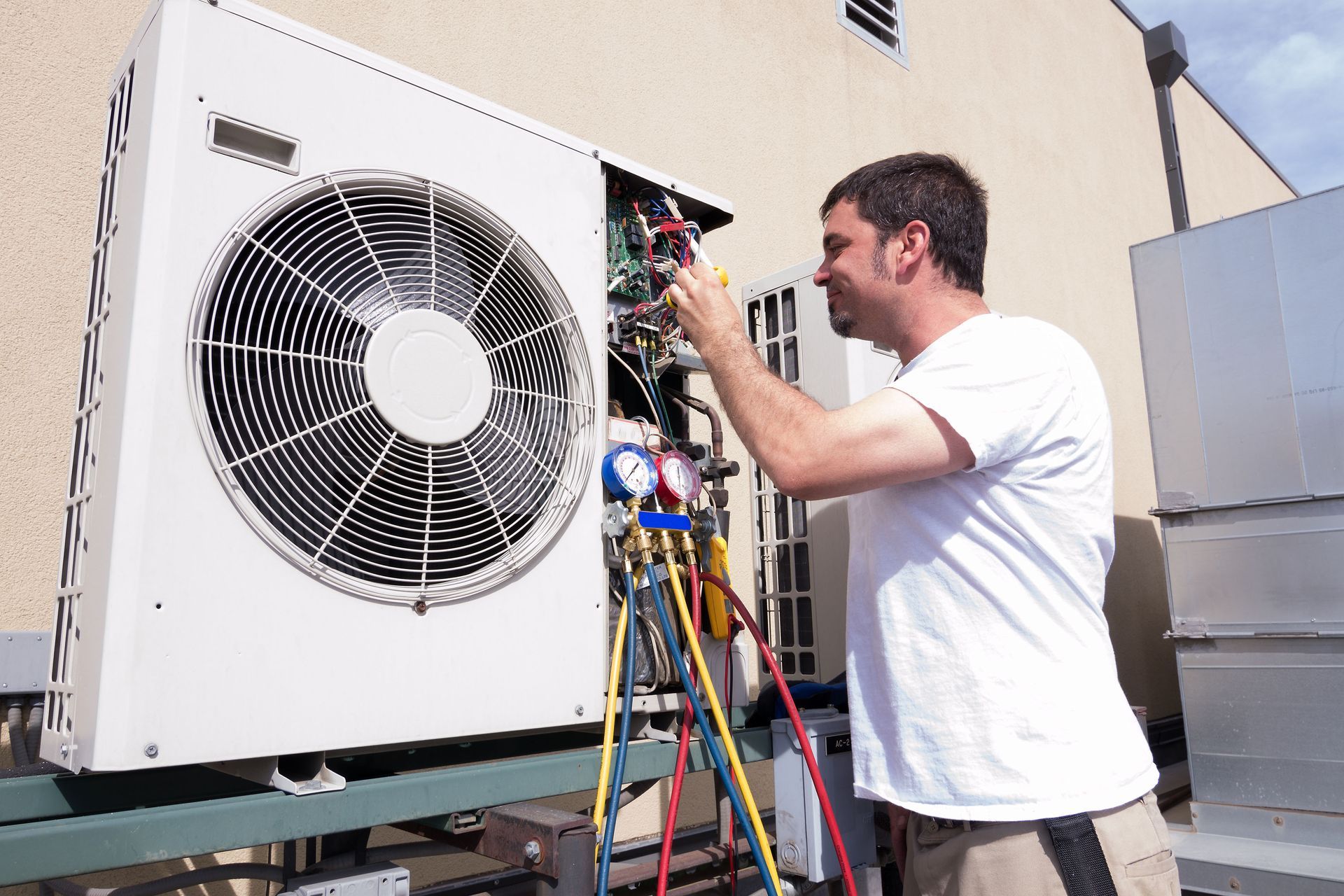
Proper refrigerant levels are critical for effective cooling and energy efficiency in HVAC systems. Leaks or deficiencies in refrigerant can compromise system performance and increase energy usage. During preventive maintenance, technicians check refrigerant levels and refill them as necessary to maintain optimal cooling capacity. Maintaining proper levels preserves system reliability and performance while lowering operational costs. Taking proactive steps ensures that HVAC systems maintain their efficiency, reliability, and effectiveness throughout their lifespans.
The mechanical components within HVAC systems include fans, motors, and other moving parts that require lubrication. Proper lubrication reduces friction, preventing wear and extending component lifespan. Regular lubrication during maintenance minimizes mechanical stress, reducing the likelihood of system failures. Lubricated parts operate more quietly and efficiently, enhancing overall system performance. Through this simple maintenance task, homeowners can avoid costly repairs and contribute to the system's durability and operational efficiency.
3. Financial Benefits of Preventive Maintenance
Regular HVAC system maintenance translates to reduced utility bills, benefiting homeowners financially. Efficient systems consume significantly less energy, which is reflected in decreased monthly energy expenses. As maintenance keeps systems in peak condition, they operate more effectively, conserving energy while providing comfort. The resulting energy savings are a substantial motivator for committing to regular maintenance schedules. Over time, the cost savings from reduced utility bills can offset the expenses of maintenance services.
Emergency repairs are often costly and inconvenient, frequently occurring at the worst possible times. Through preventive maintenance, potential problems are identified and resolved before they become emergencies. Avoiding sudden breakdowns not only provides peace of mind but also guards against the high costs associated with urgent repairs. Therefore, investing in maintenance reduces the risk and financial burden of unexpected system failures. Regular maintenance is an actionable strategy to manage system health and avoid the pitfalls of emergency services.
Investments in preventive maintenance from HVAC contractors pay dividends in terms of long-term cost efficiency. Well-maintained systems require fewer repairs and enjoy a lengthened operating lifespan, deferring costly replacements. The operational savings accrued over years of effective maintenance become substantial, affirming the financial wisdom of proactive care. According to Grand View Research, the U.S. HVAC systems market is projected to grow from $31,714.8 million in 2025 to $54,021.0 million by 2033, showing that economies of scale will continue to enhance maintenance cost-efficiency. This projection underscores the enduring value of investing in system longevity through regular maintenance.
4. Health and Safety Considerations
Regular HVAC maintenance from HVAC contractors plays a significant role in reducing health risks associated with poor air quality. Routine cleanings and inspections ensure components that harbor dust, mold, and allergens are addressed. Improved air quality is crucial for those with respiratory conditions, providing a healthier indoor environment. Furthermore, the cleaner air supports general well-being, minimizing instances of illness triggered by poor air conditions. By emphasizing preventive maintenance, homeowners embrace their responsibility for fostering healthy living conditions.
Carbon monoxide is a colorless, odorless gas that can be deadly, often resulting from malfunctioning heating systems. Preventive maintenance includes checks for potential gas leaks and ensures efficient system ventilation to mitigate this risk. Incorporating carbon monoxide detectors in the maintenance strategy enhances safety by alerting occupants to potential dangers. Regular inspections lead to timely repairs, eliminating leakage risks and ensuring systems operate safely. By prioritizing these safety measures, homeowners protect their families from the hidden dangers of carbon monoxide poisoning.
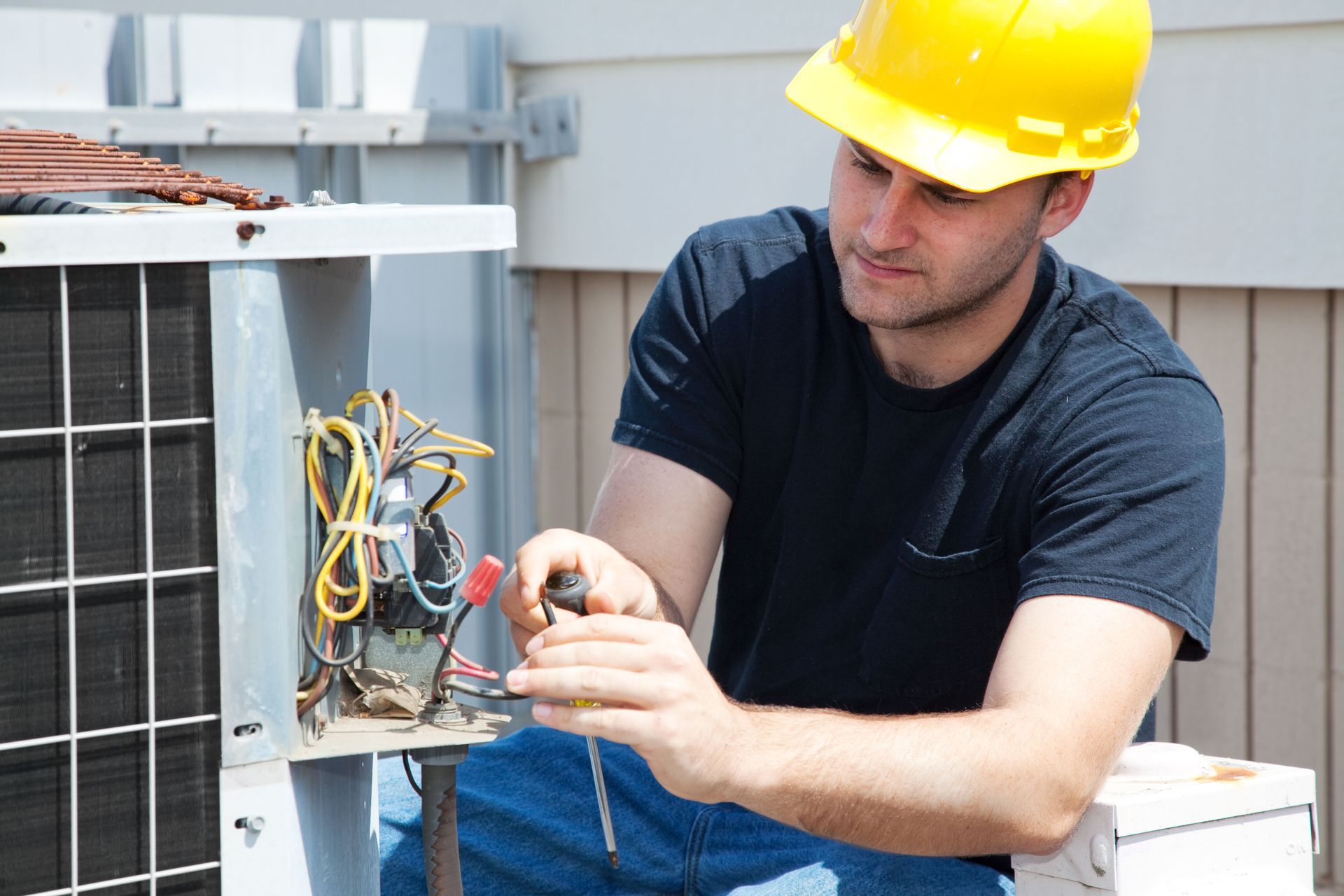
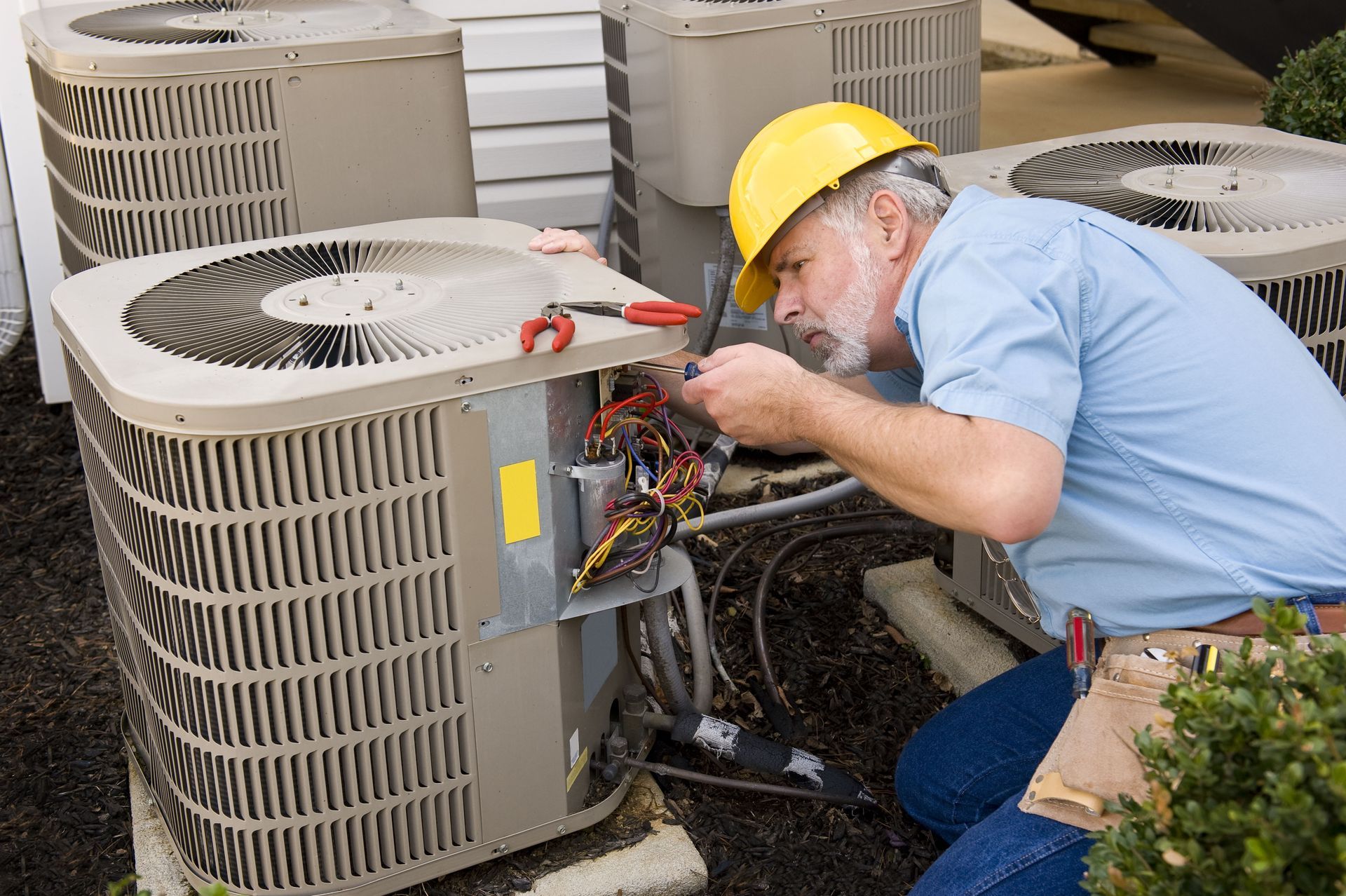
Electrical safety is a critical component of HVAC maintenance, ensuring all connections are secure to prevent hazards. Faulty wiring or loose connections can lead to electrical shorts, sparking, or even fires. During maintenance, technicians inspect electrical components and perform necessary repairs to uphold system safety. This proactive approach reduces fire risks and enhances occupant safety within homes and businesses. Moreover, ensuring secure electrical connections maintains system reliability, reducing the likelihood of interruptions and extending system lifespan.
Consistent preventive maintenance stands out as a cornerstone for optimal HVAC system performance, demonstrating substantive benefits across various aspects. From extending system lifespan and improving energy efficiency to enhancing air quality and ensuring safety, maintenance plays a crucial role in effective HVAC management. In an industry projected to grow significantly, investment in maintenance serves both environmental and financial interests, contributing positively to global energy conservation efforts. A structured and proactive approach to preventive care, supported by qualified professionals and informed stakeholders, guarantees system reliability and longevity. Ultimately, regular maintenance from
HVAC contractors empowers homeowners and businesses with efficient systems, enhanced comfort, and significant cost savings. Contact Four Seasons Heating & Cooling Inc today for more information.