September 3, 2026
Selecting an HVAC system for a commercial property is a critical task that directly influences operational costs, tenant satisfaction, and long-term facility value. Commercial real estate demands a sophisticated strategy for heating, cooling, and ventilation due to large physical footprints and complex occupancy patterns. Unlike simple residential applications, commercial spaces require precise engineering, robust equipment, and careful ongoing management to maintain consistent indoor environmental quality. Making an ill-advised choice can result in sky-high energy utility expenses, frequent mechanical breakdowns, and uncomfortable indoor environments that hamper business productivity.
Navigating the multitude of system architectures, energy regulations, and mechanical components requires a clear understanding of building needs and long-term financial goals. Commercial property owners must balance initial capital expenditures with the total cost of ownership, accounting for routine servicing, potential utility savings, and future equipment upgrades. Engaging reputable commercial HVAC companies early in the planning process provides the necessary expertise to accurately calculate thermal loads and evaluate complex equipment options. By taking a strategic approach to equipment selection, facility managers can ensure their properties remain comfortable, compliant, and cost-effective for decades.
Analyzing System Capacities and Load Requirements
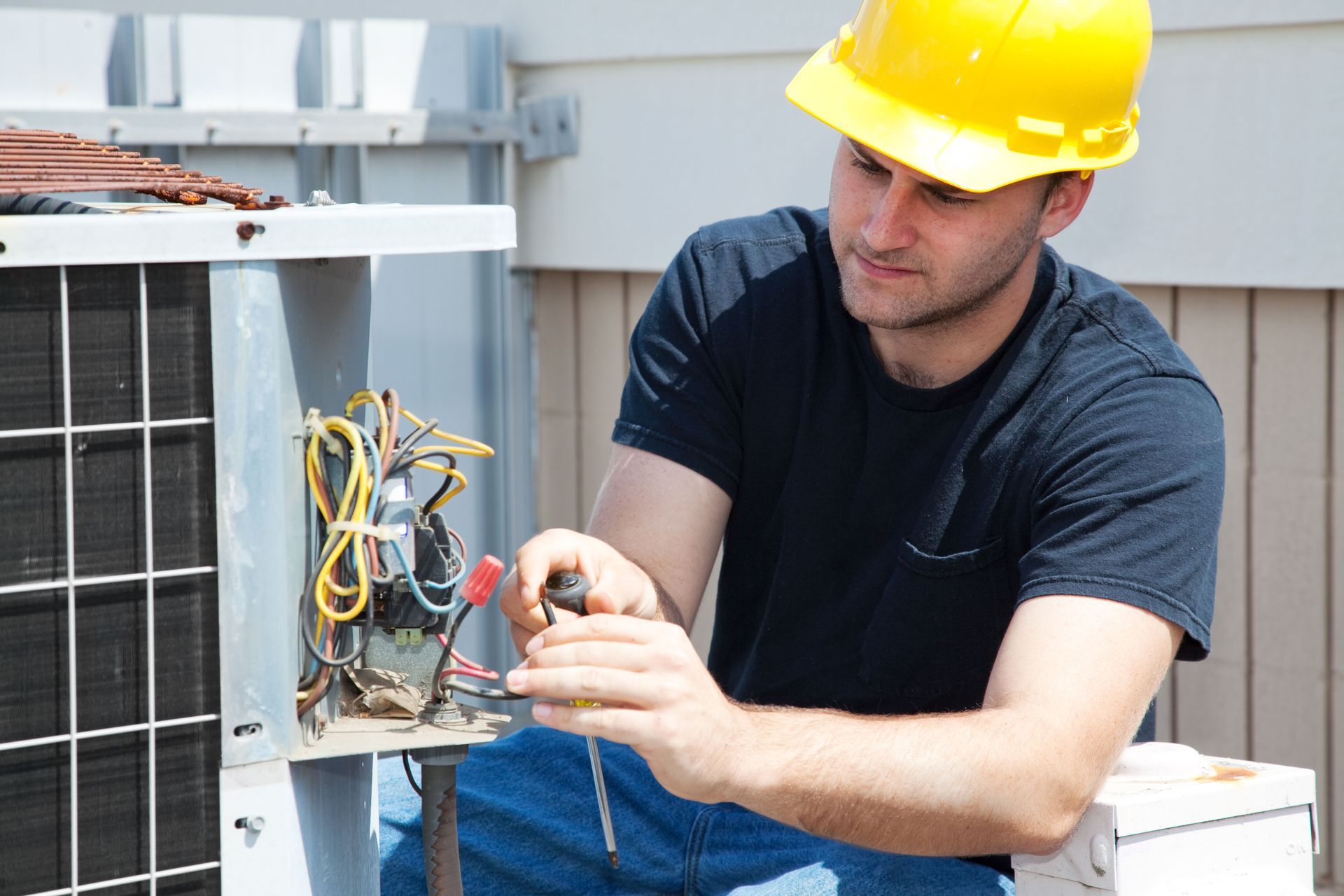
Accurately evaluating total cooling and heating loads forms the cornerstone of proper system selection for any business facility. Building footprint, window orientation, ceiling height, and insulation quality dictate the overall thermal demands placed on mechanical equipment. Furthermore, internal heat gains generated by high-density office personnel, computer servers, and heavy machinery must be accounted for during the initial design phase. Qualified commercial HVAC companies perform detailed load calculations to determine exact equipment tonnage, preventing the widespread issues associated with oversized or undersized machinery.
Oversized equipment leads to rapid cycling, which creates wide temperature swings, accelerates mechanical wear, and leaves excessive moisture in the indoor air. Undersized equipment struggles continuously to meet setpoint temperatures, leading to constant operation, exorbitant utility bills, and early system failure. Professional calculations ensure that the chosen machinery operates within its optimal performance curve throughout varying operational seasons. Taking the time to perform a thorough capacity assessment protects the financial investment and ensures consistent indoor comfort across all functional zones of the property.
Evaluating Energy Efficiency Metrics for Savings
Prioritizing energy efficiency is one of the most effective ways to lower ongoing building operational costs over time. Seasonal Energy Efficiency Ratio, Energy Efficiency Ratio, and Coefficient of Performance are fundamental metrics used to compare the operational economics of various commercial systems. Higher efficiency ratings represent reduced electrical consumption for the same amount of heating or cooling output. Efficient systems diminish waste and enhance performance, directly correlating with smaller energy bills and less environmental impact. Additionally, according to ReAnIn's industry reports, commercial and industrial sectors account for nearly 55% of HVAC duct installations.
Investing in high-efficiency mechanical infrastructure often opens doors to valuable utility company rebates and government tax incentives that offset initial purchase prices. Modern variable speed compressors and smart controls dynamically match energy consumption to real-time heating and cooling demands, preventing energy waste during off-peak hours. Working with experienced commercial HVAC companies enables property developers to calculate realistic payback periods and identify equipment that maximizes long-term return on investment. Upfront capital spent on high-efficiency equipment pays dividends every month through significantly reduced utility bills.
Comparing Centralized and Decentralized Architectures
Deciding between centralized systems and decentralized multi-unit setups depends heavily on property layout, tenant structure, and usage schedules. Centralized options, such as chilled water plants and extensive boiler loops, are highly efficient for multi-story towers and large corporate campuses with uniform cooling demands. These systems consolidate heavy mechanical equipment into a single basement room or rooftop location, streamlining major maintenance access. However, centralized architectures require extensive ductwork and piping infrastructure, making them costly and invasive to install in existing structures or modular spaces.
Decentralized options, including packaged rooftop units and variable refrigerant flow networks, offer exceptional flexibility for properties with diverse tenant schedules or multi-tenant leasing structures. Individual units allow separate businesses to control their climate independently and enable precise energy sub-metering for individual spaces. If one decentralized unit experiences a mechanical breakdown, the rest of the facility continues to operate without total climate loss. Consulting with top commercial HVAC companies helps real estate directors decide which spatial architecture aligns best with their tenant operational profiles and physical building layouts.
Optimizing Indoor Air Quality and Ventilation Protocols
Maintaining clean indoor air and adequate fresh air intake is essential for tenant health, safety, and regulatory compliance. Commercial facilities must strictly comply with industry ventilation standards, such as those established by ASHRAE, to dilute indoor contaminants and remove excess humidity. High-grade filtration systems, atmospheric air purifiers, and automated economizers help capture airborne particles while bringing in fresh outdoor air. Modern climate systems actively manage relative humidity levels to prevent mold growth, protect delicate electronic equipment, and ensure employee comfort throughout the work day.
Integrating dedicated outdoor air systems allows buildings to decouple moisture control and ventilation needs from primary temperature regulation equipment. This dual-approach architecture ensures that fresh air requirements are met without overcooling or overheating indoor working spaces. Experienced commercial HVAC companies design specialized filtration and airflow distribution networks tailored to the specific needs of different facilities, such as medical offices, laboratories, or standard suites. Prioritizing indoor air quality enhances property marketability, reduces employee sick leave, and maintains a healthy environment for all occupants.
Budgeting for Life-Cycle Costs and Maintenance Schedules
A complete financial evaluation of commercial environmental systems must extend beyond the initial equipment purchase price to include complete life-cycle costs. Ongoing electrical requirements, routine filter changes, mechanical inspections, and scheduled component replacements represent significant expenses over a system's fifteen to twenty-year operational lifespan. Lower quality equipment with low initial price tags often ends up costing far more over time due to frequent component breakdowns and higher utility consumption. Establishing a comprehensive preventive maintenance plan preserves mechanical performance and extends the functional operating life of heavy equipment.
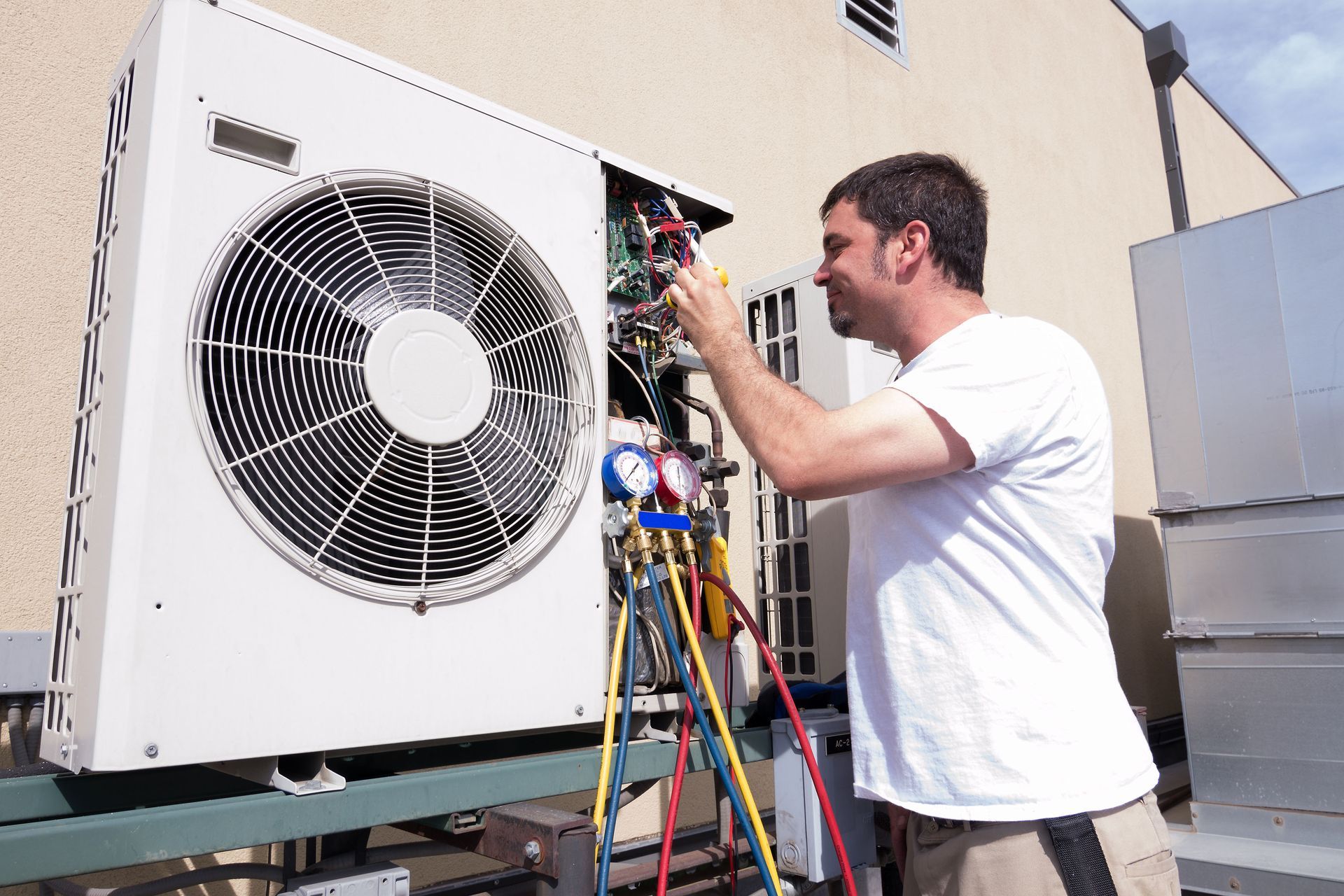
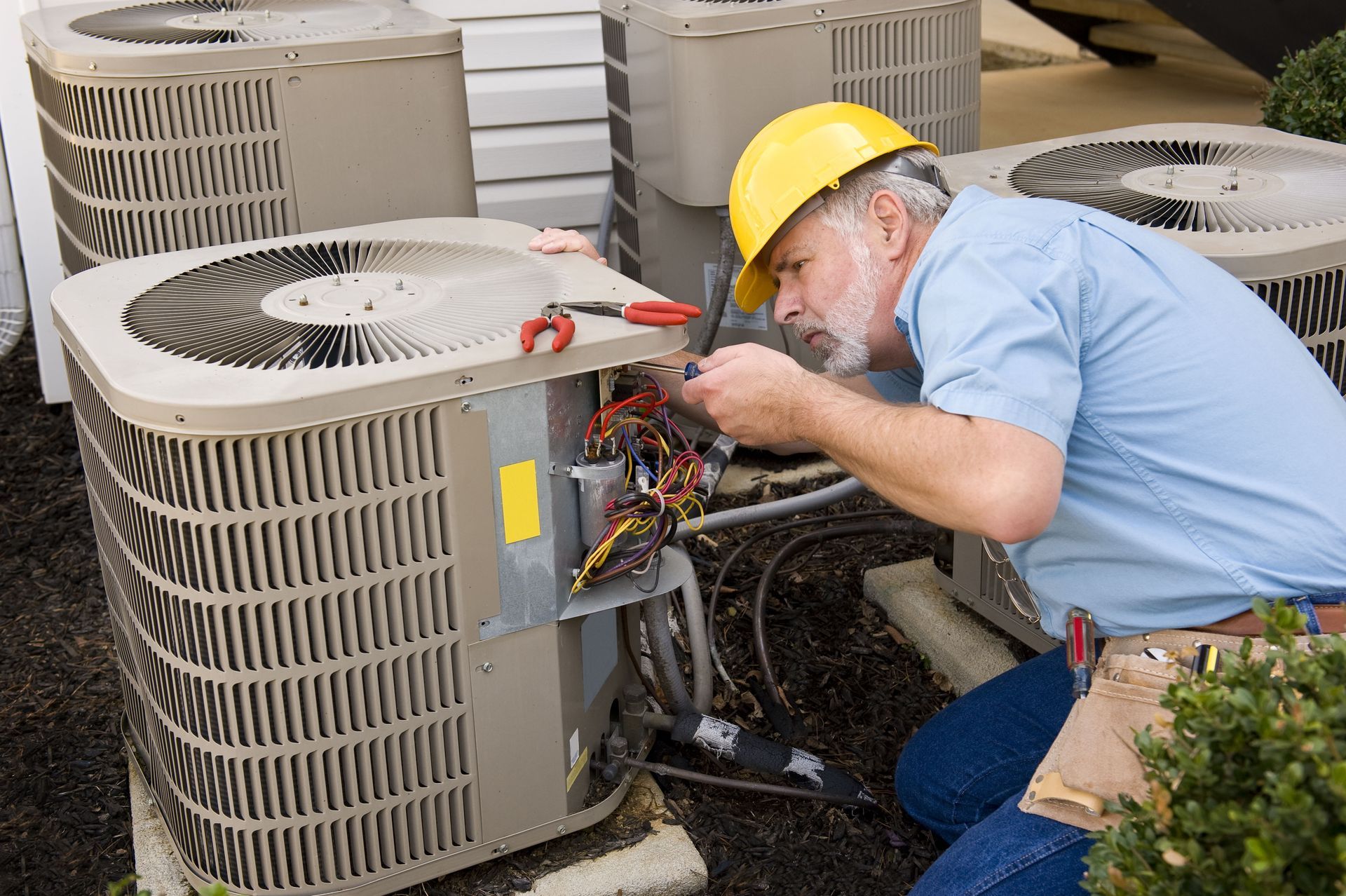
Partnering with certified service professionals for routine maintenance prevents minor mechanical issues from escalating into emergency repairs that disrupt business operation. Scheduled servicing includes lubricating moving parts, cleaning condenser coils, checking refrigerant charges, and testing electrical safety controls. Leading commercial HVAC companies offer custom preventative service agreements that keep complex mechanical assets running at peak operational efficiency season after season. Documenting a consistent history of professional maintenance also preserves manufacturer warranty coverage and protects the overall resale value of the commercial real estate asset.
Selecting the Right Partner for Commercial Property Needs
Selecting the ideal mechanical infrastructure for a commercial property requires balancing thermal capacity, energy performance, physical spatial constraints, and long-term financial budgets. Making an informed choice transforms a standard mechanical system into an active asset that lowers operational overhead, enhances indoor air quality, and maintains steady property values. Commercial building managers must assess current usage needs while anticipating future expansions or tenant turnover when designing their mechanical infrastructure. Investing in high-quality equipment and professional installation creates a comfortable indoor environment that supports business productivity year-round.
Executing a successful climate control strategy requires working alongside skilled industry partners who understand complex commercial building dynamics. Experienced
commercial HVAC companies offer the technical precision, engineering expertise, and ongoing support needed to keep complex systems running efficiently for decades. Property owners and facility managers looking to optimize indoor comfort, lower utility bills, and protect their physical investments should contact Four Seasons Heating & Cooling Inc today to schedule a comprehensive mechanical site evaluation and consult with top industry experts.