August 6, 2026
In today's fast-paced business environment, maintaining a comfortable, safe, and energy-efficient building is vital for operational success. Commercial heating, ventilation, and air conditioning equipment represents a major capital investment, making structured upkeep essential for preventing costly breakdowns and maximizing performance. A well-designed routine strategy transforms potential operational headaches into predictable expenses and long-term utility savings. Establishing a comprehensive approach ensures smooth climate control throughout every season for any facility. By taking a proactive stance on system care, business owners and facility managers safeguard their mechanical infrastructure, lower overhead expenses, and maintain consistent indoor comfort.
Understand Commercial HVAC Systems
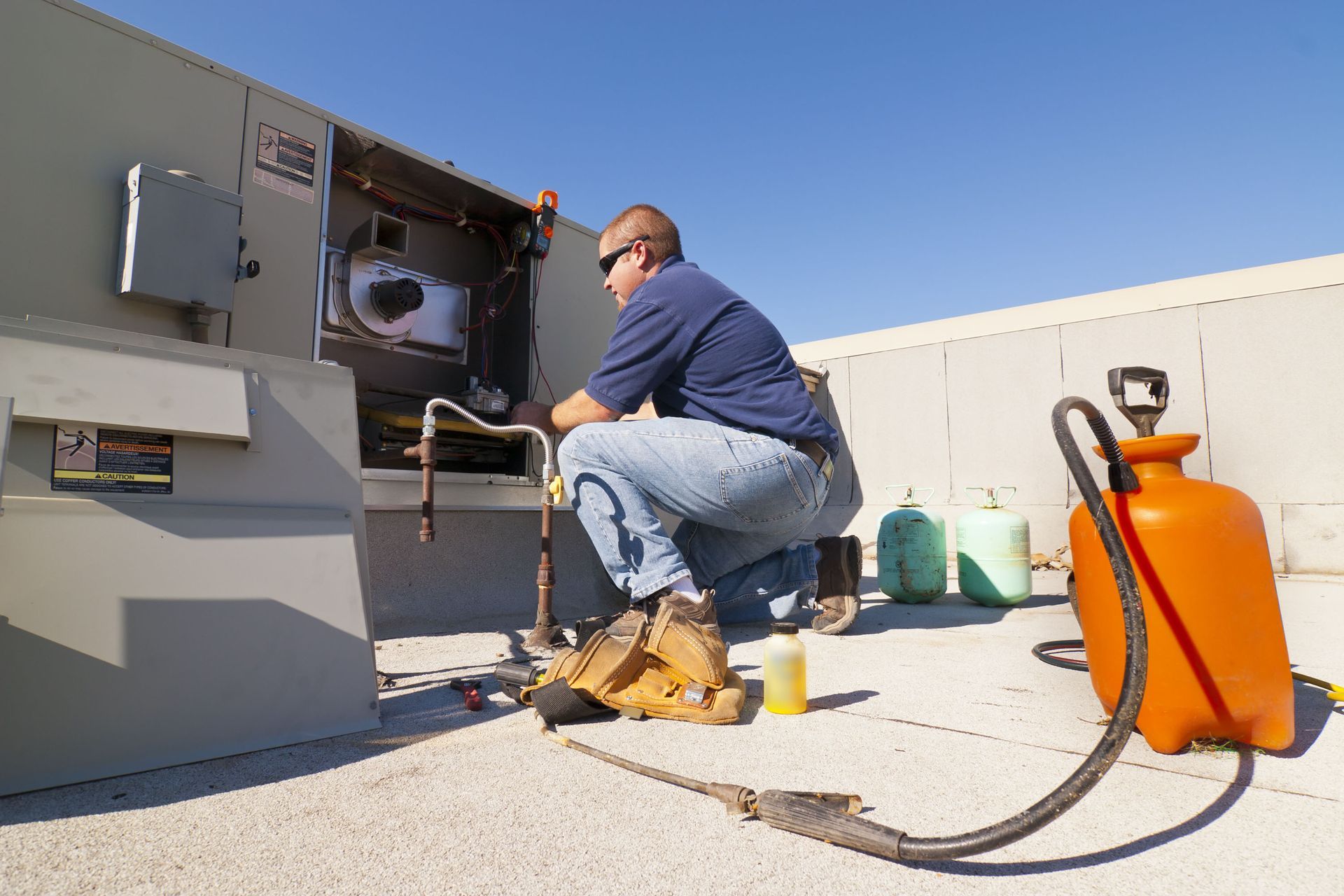
Commercial climate control systems are intricate mechanical networks designed to handle heavy daily workloads across large square footage. These complex setups consist of heating units, cooling towers, specialized ventilation ducts, air filtration systems, and central controls. Each component must be precisely calibrated to maintain proper indoor air quality and temperature balance across diverse building zones. In fact, according to IBISWorld, approximately 35% to 40% of heating and cooling providers across the nation focus specifically on commercial and industrial applications or operate dedicated units for them. Understanding how these individual components interact enables facility managers to spot early signs of wear before severe equipment failures occur.
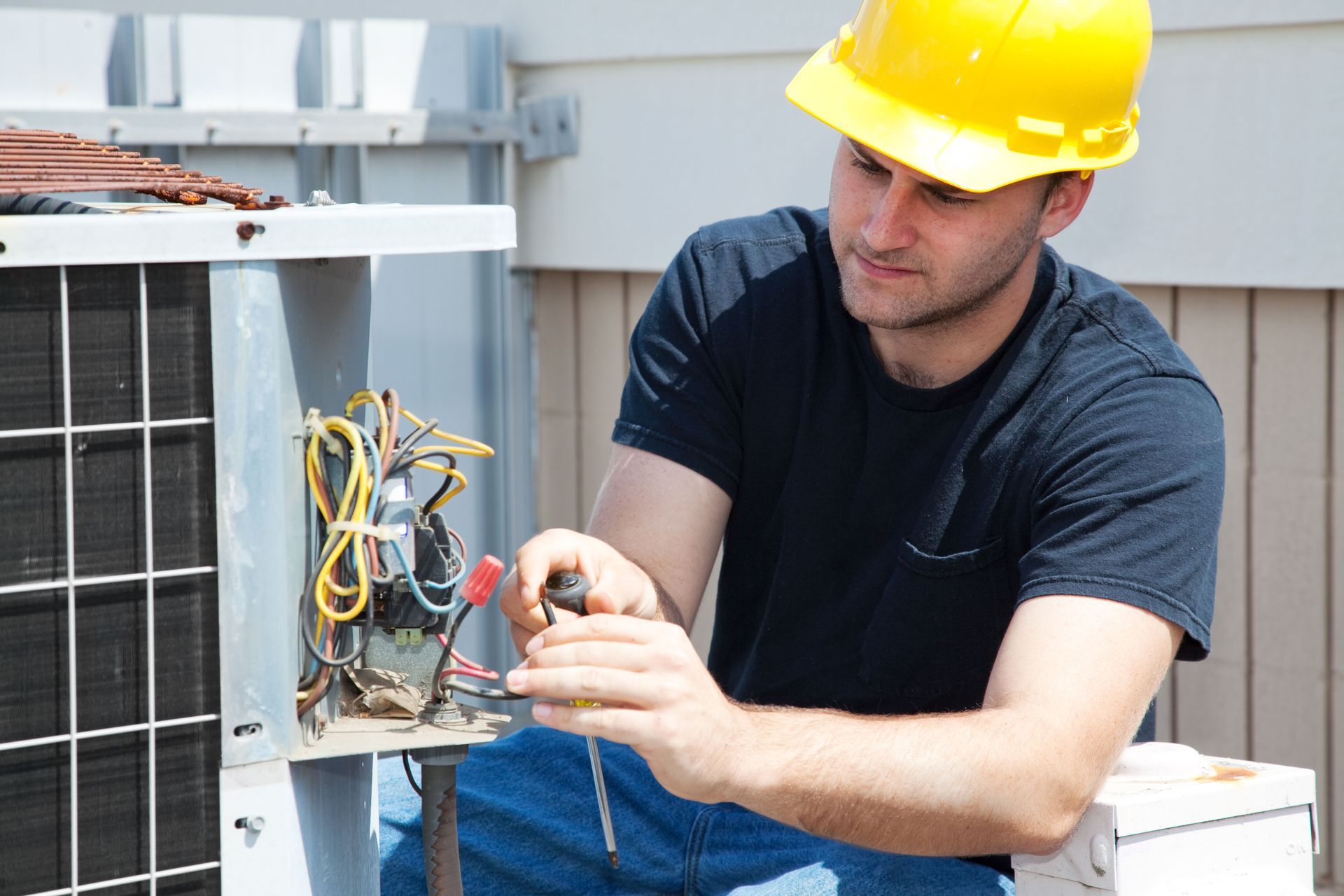
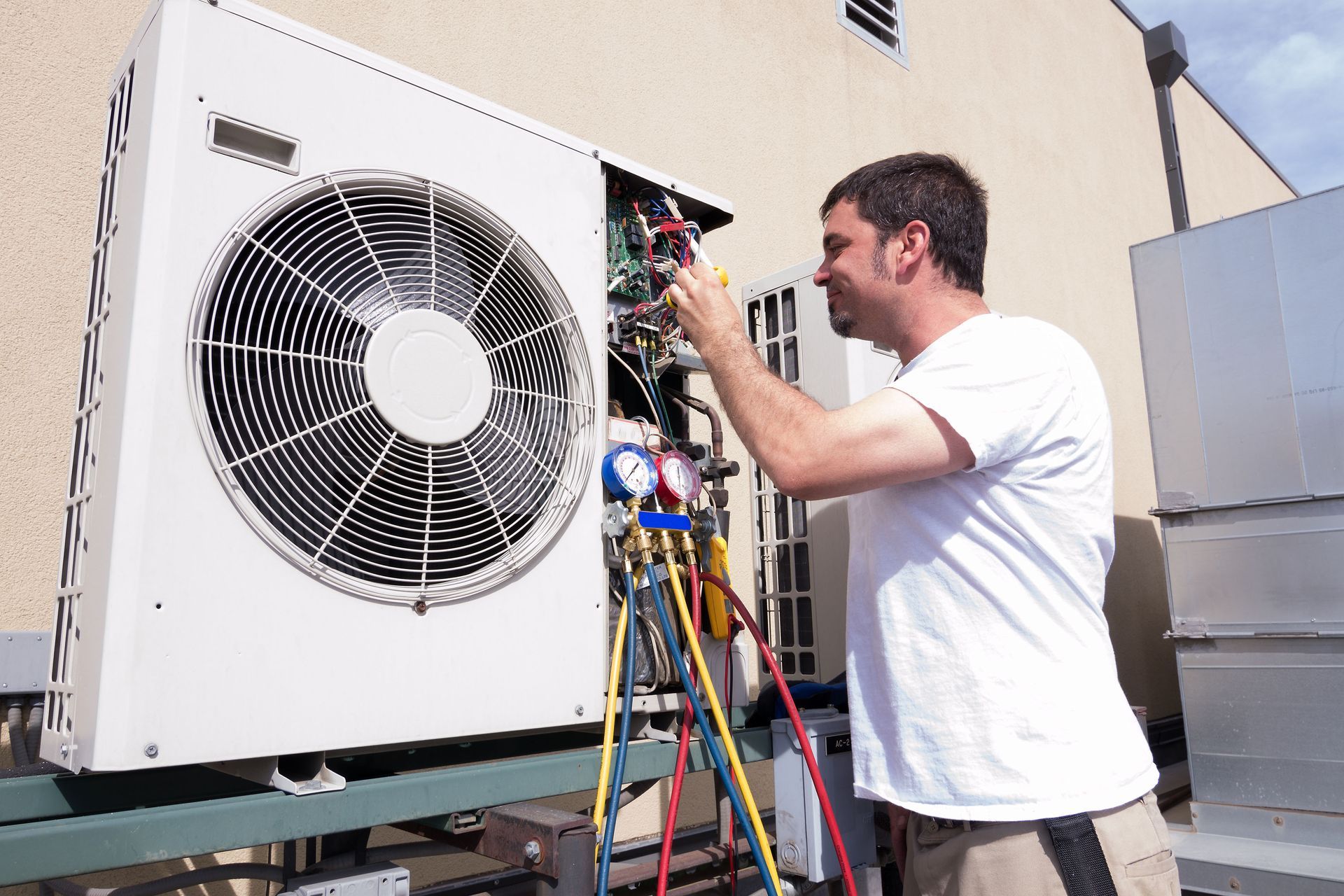
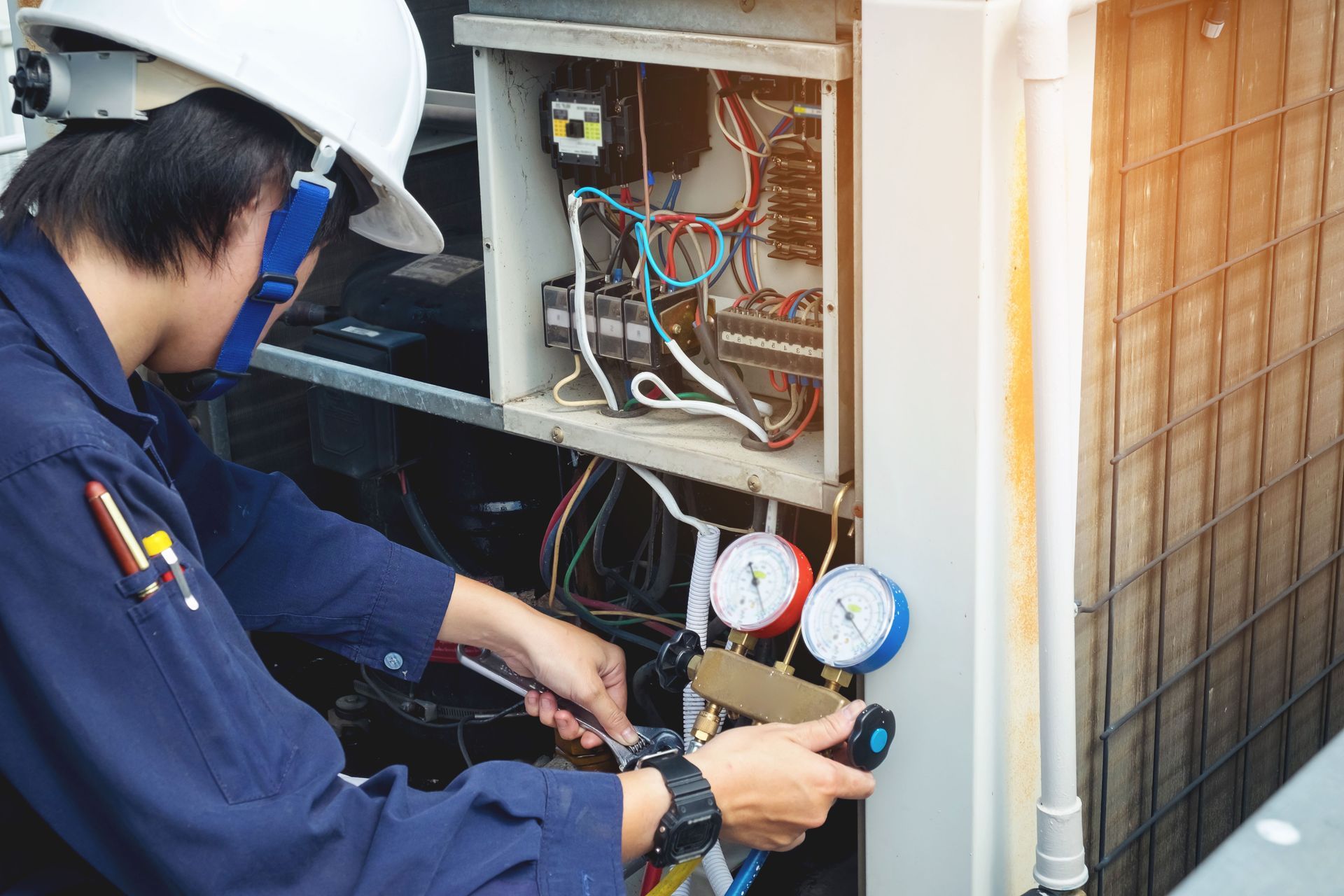
Modern mechanical setup efficiency depends on balanced airflow, clean filters, and smart energy usage throughout the facility. Advanced features like variable speed motor drives and automated building systems optimize power consumption based on real-time occupancy. However, even modern infrastructure faces common hurdles such as clogged filtration, sensor calibration errors, and refrigerant leaks. Utilizing professional commercial HVAC companies services allows building managers to address these underlying vulnerabilities promptly. Thorough professional inspections pinpoint subtle mechanical degradation, ensuring high system efficiency while helping companies maintain compliance with local environmental standards.
Recognize Essential Maintenance Benefits
Implementing a structured service strategy directly targets operational budget waste by reducing unexpected repair costs. Emergency fixes almost always cost significantly more than planned maintenance due to expedited shipping fees and urgent labor rates. Scheduled checkups allow financial teams to forecast expenses accurately, replacing chaotic emergency costs with manageable recurring service investments. Businesses that prioritize routine care consistently enjoy lower overall operating expenses across the lifespan of their equipment. Securing dependable commercial HVAC company services keeps mechanical components running smoothly, directly protecting the enterprise from unexpected financial strain.
Energy efficiency remains another compelling reason to prioritize routine mechanical system care across facilities. Dirty coils, clogged filters, and worn blower belts force equipment to labor harder, consuming excessive electricity and raising monthly utility charges. Simple actions like cleaning heat exchangers and calibrating thermostats restore optimal performance, dramatically trimming power consumption. Preventative care significantly prolongs the operational lifespan of expensive mechanical infrastructure, deferring major capital expenditures. Maintaining reliable mechanical infrastructure also ensures strict compliance with safety regulations, preventing regulatory fines and protecting building warranties.
Design Custom Maintenance Plans
Building an effective maintenance program starts with a thorough assessment of existing mechanical assets and building requirements. System age, historical usage patterns, and past repair logs dictate the specific level of care required for each piece of equipment. Older machinery often demands more frequent checks and specialized replacement parts to maintain operational stability. Documenting accurate baseline data ensures that maintenance protocols address the exact operational demands of the building. Engaging commercial HVAC companies services during this initial assessment phase helps facility teams create tailored care routines based on real-world equipment conditions.
Scheduling routine service visits at strategic intervals maintains steady performance throughout the operational calendar. Planning bi-annual or quarterly maintenance visits aligns routine care with seasonal shifts in heating and cooling demands. Combining scheduled service with comprehensive, customized maintenance checklists guarantees that no critical component gets overlooked during inspections. Standardized checklists cover essential tasks like duct cleaning, electrical connection tightening, condensate drain flushing, and filter replacements. Incorporating seasonal adjustments and strategic budget planning prepares mechanical infrastructure for changing weather conditions while guaranteeing continuous equipment care year-round.
Implement Standard Operational Procedures
Successful plan execution requires clear assignment of internal roles and ongoing technical education for facility staff. Defining specific duties ensures that daily monitoring, basic filter changes, and minor checks occur without confusion or delay. In-house staff members should receive regular training on safety standards, minor troubleshooting, and new equipment technologies. Clear communication channels between facility personnel and management streamline the reporting of unusual noises or temperature fluctuations. Utilizing commercial HVAC companies services for complex technical tasks empowers internal teams while ensuring expert oversight for high-risk mechanical operations.
Integrating modern maintenance management software drastically improves operational organization and tracking capabilities. Automated software tools centralize service schedules, send automated reminders, and log comprehensive maintenance histories for every asset. Digital record-keeping simplifies warranty tracking, component inventory control, and long-term equipment evaluation. Coordinating seamlessly with trusted external suppliers and specialized service providers ensures uninterrupted equipment support. Established contractor partnerships guarantee rapid access to genuine replacement parts and emergency labor, building a robust safety net that keeps critical climate control systems fully functional.
Track Key Performance Metrics
Measuring program success relies on tracking clear Key Performance Indicators related to system uptime and operating costs. Monitoring energy consumption trends, total repair expenditures, and equipment breakdown rates yields clear visibility into plan effectiveness. Establishing realistic metrics aligned with corporate objectives provides tangible proof of maintenance value over time. Regular performance tracking reveals hidden operational inefficiencies, allowing managers to adjust service frequencies before major failures occur. Investing in commercial HVAC companies services ensures access to sophisticated diagnostic tools needed for accurate performance evaluation.
Periodic program reviews allow facility teams to adapt maintenance routines based on evolving operational demands and technological advances. Regular audits confirm staff compliance with checklists while identifying areas where service protocols require adjustment. As buildings undergo spatial reconfigurations or operational changes, HVAC maintenance strategies must adapt accordingly. Establishing robust feedback loops between on-site operators and management drives continuous operational refinement. Comparing facility metrics against industry benchmarks highlights opportunities for further efficiency gains, confirming that structured maintenance programs consistently deliver high performance and energy savings.
Resolve Common Operational Challenges
Navigating resource constraints such as tight maintenance budgets and labor shortages requires strategic planning and prioritization. Facility managers must allocate resources toward high-priority critical assets that directly impact occupant comfort and business operations. Strategic outsourcing serves as an effective solution, bridging technical skills gaps without increasing full-time internal headcounts. Integrating commercial HVAC companies services offers flexible, expert support tailored to budget constraints and seasonal workloads. Careful resource planning minimizes operational disruptions while maintaining high maintenance standards across all mechanical assets.
Managing unexpected equipment downtime requires agile response protocols and proactive contingency planning. Maintaining temporary backup cooling or heating options mitigates operational risks during emergency system outages. Rapid response procedures ensure that technicians quickly diagnose failures, locate replacement parts, and restore normal climate control. Mastering technological complexity in modern HVAC systems requires continuous learning and strong vendor partnerships. Relying on trusted commercial HVAC companies services provides peace of mind, ensuring every complex mechanical component operates at peak reliability.
Developing and executing a commercial HVAC maintenance strategy is essential for protecting capital assets, trimming utility costs, and maintaining comfortable indoor environments. By understanding complex mechanical components, setting structured schedules, leveraging software, and evaluating performance metrics, facility leaders build resilient operations. Overcoming common resource constraints through expert partnerships and proactive planning guarantees high system efficiency and long-term equipment health. Proactive maintenance consistently yields measurable financial returns while safeguarding daily business productivity across every season. To elevate your facility's climate control efficiency and enjoy dependable operational comfort, contact us today to see how our expert team at Four Seasons Heating & Cooling Inc can tailor a maintenance strategy for your organization.