October 8, 2026
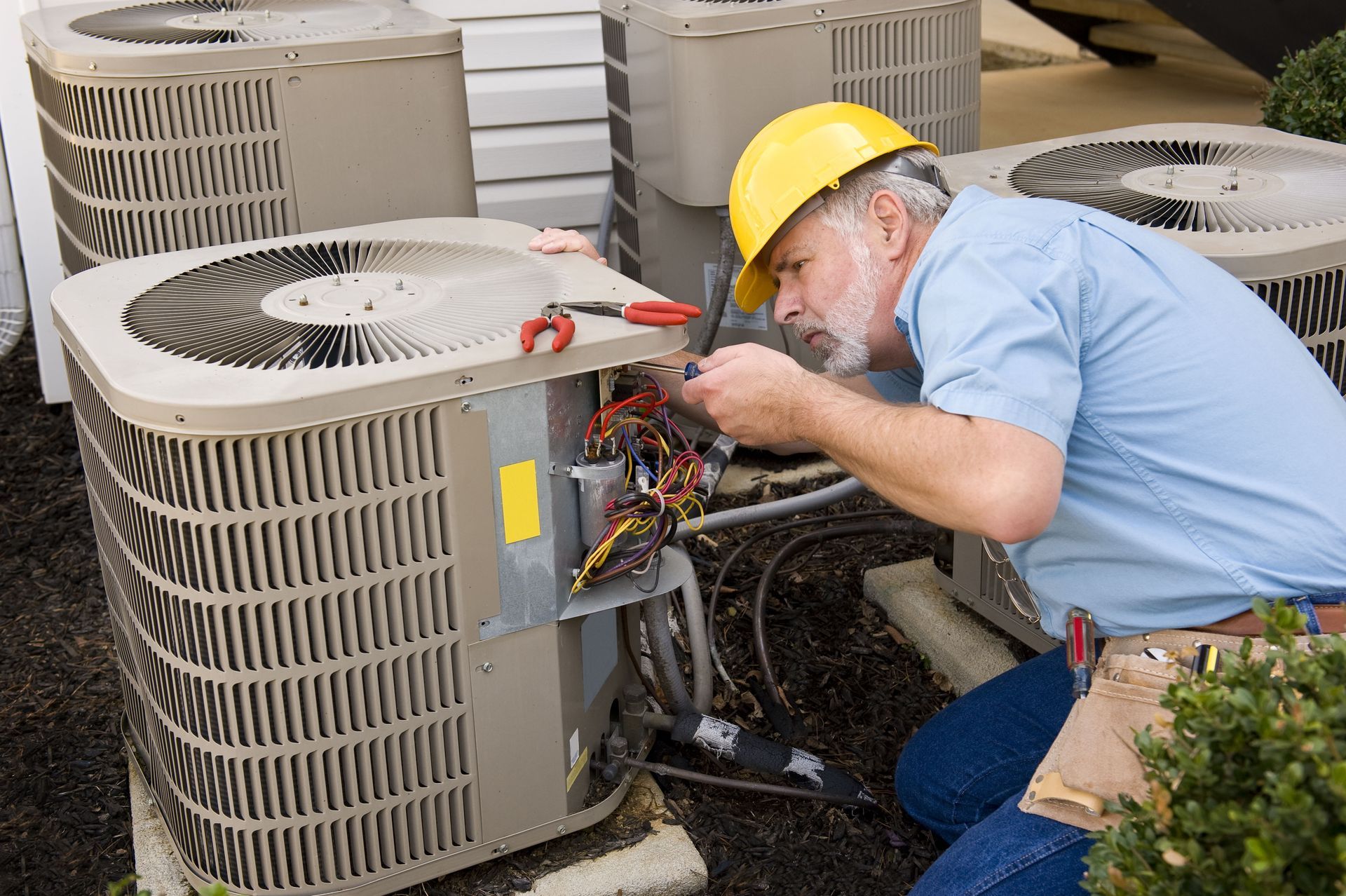
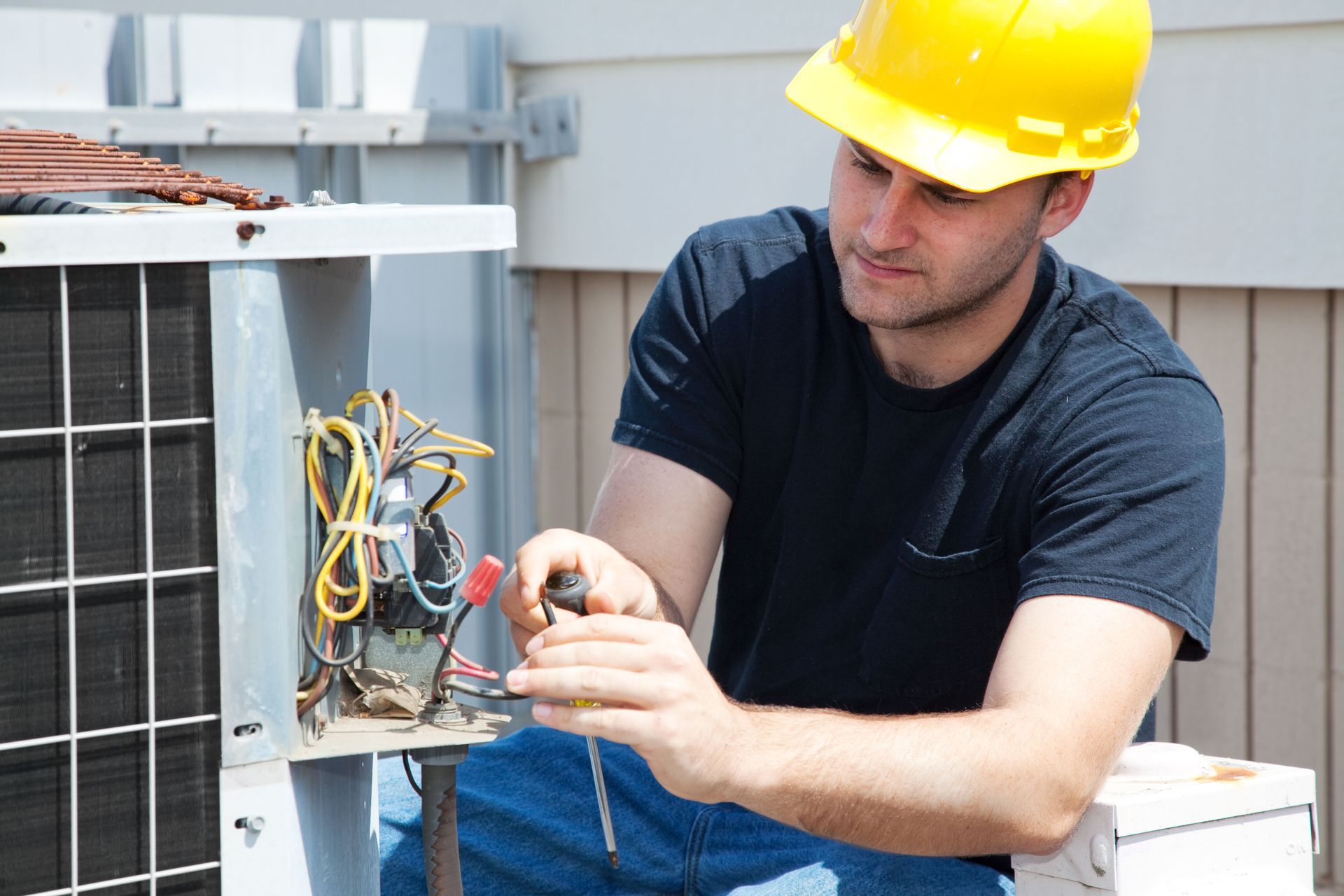
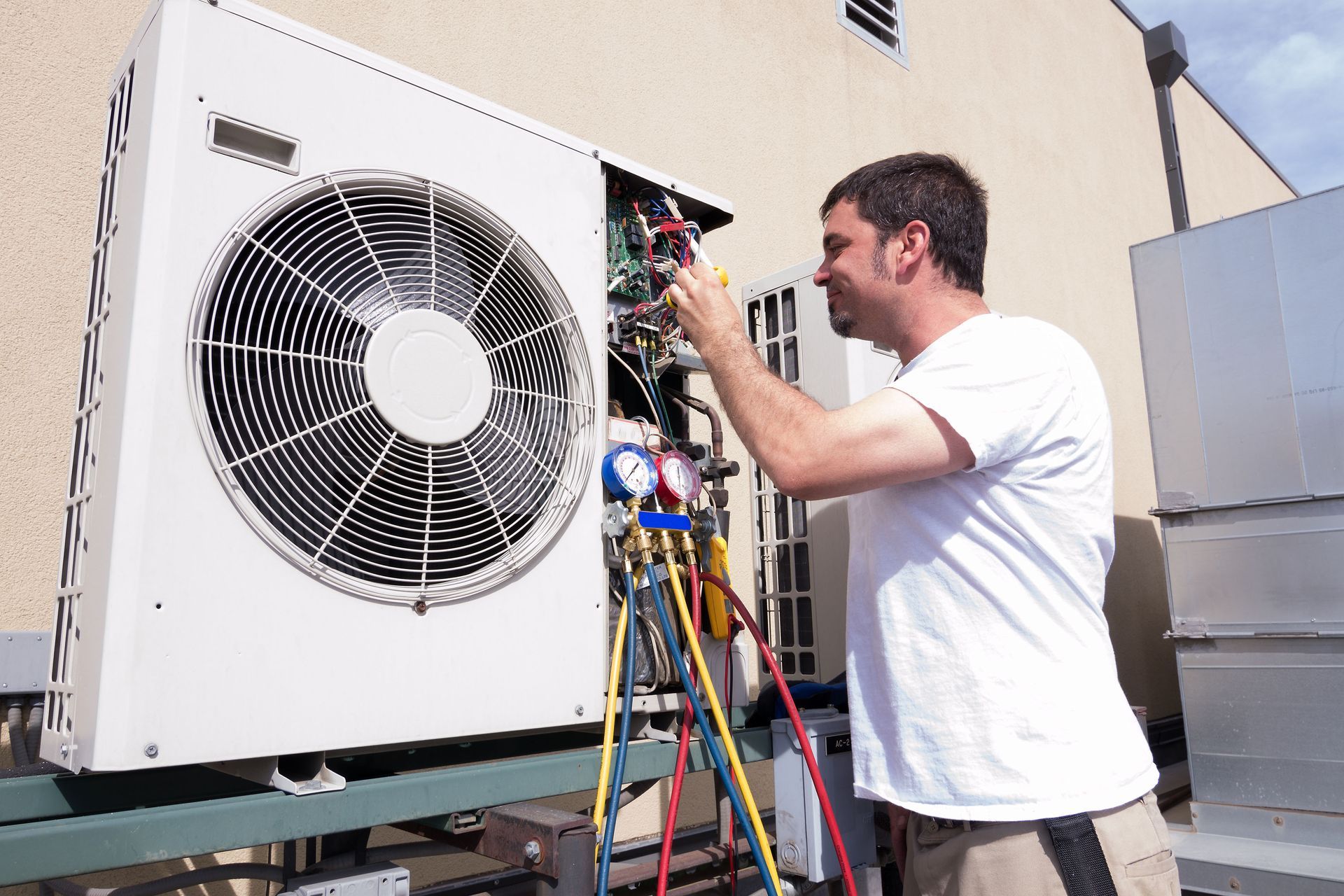
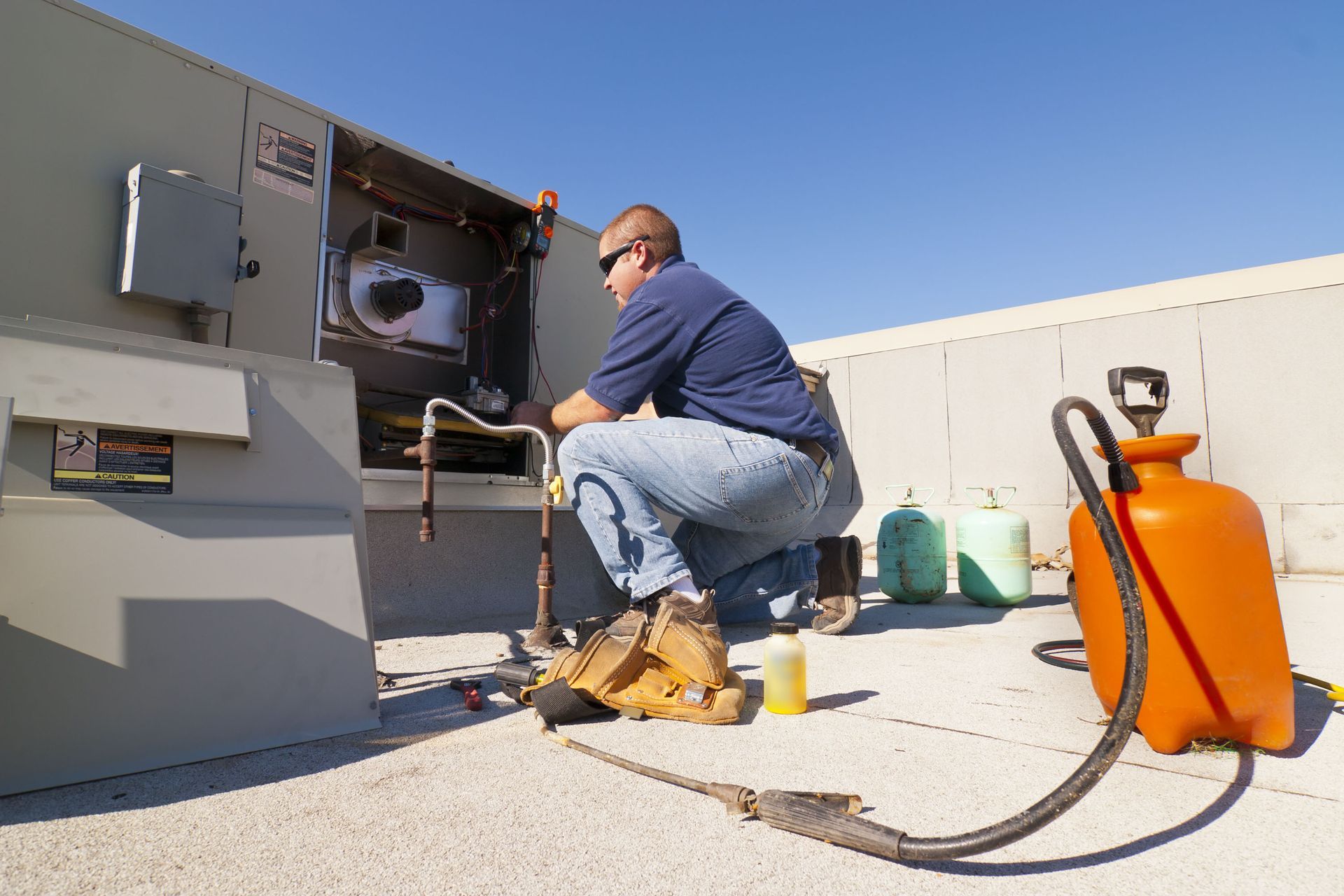
Owning a home comes with many responsibilities, one of the most significant being the maintenance of an efficient cooling system. Without proper attention from local air conditioning contractors, homeowners often find themselves at a crossroads, deciding whether to repair their existing cooling equipment or invest in a new system altogether. Let's delve into the various factors that influence this critical decision.
Age of the Cooling System
The age of a cooling system is a significant factor in deciding between repair and replacement. Typically, systems older than ten to fifteen years are less efficient and more prone to failures, making replacement a more economical choice. As components wear over time, repair costs escalate, and frequent breakdowns become more likely.
Older systems often fail to meet modern energy efficiency standards, leading to high operating costs. Upgrading to a new system can offer considerable savings in utility bills, offsetting the higher initial investment. Moreover, advancements in technology continually yield more efficient and environmentally friendly systems, further supporting replacement considerations for outdated units.
Replacement decisions not only impact immediate comfort but also influence long-term home value. Modern systems enhance property appeal, offering potential buyers assurance of reduced future energy costs and maintenance needs. Thus, age-related replacement by local air conditioning contractors can provide both present and future benefits to homeowners.
Energy Efficiency Standards
Energy efficiency standards have become stricter, pressuring homeowners to upgrade to compliant systems. Newer systems are engineered to meet these standards, offering superior efficiency and reduced environmental impact. Upgrading presents a valuable opportunity to improve energy consumption efficiency and achieve lower utility costs over time.
With the government's continuous emphasis on sustainability, energy-efficient systems often qualify for tax incentives and rebates. These financial rewards can make replacing an outdated system economically attractive, effectively reducing overall installation costs. Embracing efficient technology aligns with broader environmental goals, benefiting both homeowners and the planet.
The long-term benefits of adhering to energy standards extend beyond financial savings. Higher efficiency systems improve indoor air quality and overall home comfort, enhancing day-to-day life. Consequently, considering the upgrade installed by local air conditioning contractors as an investment in both financial wellbeing and personal comfort is a compelling rationale for replacement over repair.
Severe and Frequent Repairs
Frequent or severe repairs are a strong indicator that replacement may be warranted. Continual breakdowns not only disrupt comfort but also impose ongoing financial burdens. When repair costs consistently accumulate or exceed annual maintenance budgets, upgrading to a new system can present a more economical solution.
Severe issues often signal deeply rooted problems, where temporary fixes only defer the inevitable. Persistently addressing the same issues indicates that the system is likely nearing the end of its useful life. Opting for a new system eliminates recurring repair costs, instead of investing that budget into a more reliable solution.
Beyond cost implications, frequent repairs can negatively impact quality of life at home. Lingering discomfort due to inconsistent temperatures and unreliable performance can create significant inconvenience. Transitioning to a modern, dependable system ensures reliable comfort, enhancing everyday living conditions.
Advancements in Technology
The advent of new cooling technologies presents compelling reasons for system replacement. Features like smart thermostats and automation capabilities enhance convenience and optimize energy use. These advancements provide greater control over indoor climates, leading to notable energy savings and improved comfort.
Reverse cycle systems, zoned cooling, and integration with home automation systems offer additional customization and efficiency benefits. The potential for long-term operational savings supports financially justifying initial investment costs. Moreover, increased system reliability due to cutting-edge technology fosters continued home comfort.
Ultimately, the shift towards advanced cooling solutions is not only about efficiency but also about embracing modern living conveniences. Enhanced user experiences, ease of use, and adaptability to changing household needs add to the reasons for considering an upgrade. The decision to upgrade with local air conditioning contractors brings a host of lifestyle benefits, marking a worthwhile investment.
Environmental and Health Concerns
From an environmental perspective, replacing an outdated cooling system offers notable benefits. Modern systems adhere to higher environmental standards, significantly reducing emissions and energy consumption. This transition supports personal efforts towards environmental stewardship, contributing to a lower carbon footprint.
Energy-efficient cooling systems also foster healthier indoor environments by enhancing air quality and minimizing harmful emissions. As systems age, they may release more pollutants into indoor air, exacerbating allergies or respiratory issues. Healthier air quality contributes to overall personal wellbeing, making the investment in an upgrade strategically sound.
Ultimately, the choice to replace rather than repair aligns with broader initiatives towards sustainability and health-conscious living. Increased awareness of environmental and health considerations encourages reflection on the hidden costs of retaining inefficient systems. An upgrade not only fulfills immediate comfort needs but also aligns with responsible living values, enhancing the quality of life.
Unexplained Spikes in Monthly Energy Bills
When an older cooling unit loses its ability to operate efficiently, one of the first warning signs is a steady, unexplained surge in monthly utility expenses. According to Buildings, an online commercial building resource, heating, cooling, and ventilation systems can consume as much as 38% of the total energy used in commercial buildings, making system inefficiency a costly issue. Older systems often fail to meet modern energy efficiency standards, leading to high operating costs that burden homeowners month after month.
Energy efficiency standards have become stricter, pressuring homeowners to upgrade to compliant systems. Upgrading presents a valuable opportunity to improve energy consumption efficiency and achieve lower utility costs over time, offsetting the higher initial investment. With governments continuously emphasizing sustainability, energy-efficient systems often qualify for tax incentives and rebates that make replacing an outdated system far more economically attractive.
The System Requires Constant and Costly Service Calls
Frequent or severe repairs are a strong indicator that replacement may be warranted over continued patch-up jobs. As components wear over time, repair costs escalate and frequent breakdowns become more likely. When repair costs consistently accumulate or exceed reasonable annual budgets, temporary fixes are merely deferring the inevitable for a system nearing the end of its useful life.
Beyond the direct financial burden, persistent breakdowns negatively impact everyday comfort and peace of mind. Lingering discomfort due to inconsistent temperatures and unreliable performance can create significant inconvenience at home. Transitioning to a modern, dependable system eliminates recurring repair costs and ensures consistent, reliable cooling.
Declining Performance and Deteriorating Indoor Air Quality
A clear sign that your system is failing is a noticeable drop in indoor comfort and air quality. As cooling units age, they struggle to maintain consistent temperatures and can begin releasing more pollutants into the indoor air, exacerbating allergies or respiratory issues. Modern systems foster healthier indoor environments by enhancing air filtration, optimizing humidity, and minimizing harmful emissions.
Additionally, older systems lack the modern living conveniences that define modern cooling technology. Upgrading provides access to features like smart thermostats, zoned cooling, and home automation integration, which offer greater control over indoor climates. Embracing these technological advancements not only restores indoor health and comfort but also aligns with long-term goals for home sustainability.
Incompatibility With Modern Smart Home Technologies
An outdated system often reveals its limitations through a lack of modern controls and automation. Older units cannot integrate with smart thermostats, zoned cooling mechanisms, or home automation systems that optimize energy use and enhance convenience. The advent of these new cooling technologies provides greater control over indoor climates, leading to notable energy savings and improved day-to-day comfort.
Ultimately, the shift towards advanced cooling solutions is not only about operational efficiency but also about embracing modern living conveniences. Upgrading restores ease of use, adaptability to changing household needs, and enhanced overall performance, providing a compelling rationale for choosing replacement over ongoing repairs.
Deciding whether to repair or replace your cooling system with the help of local air conditioning contractors ultimately comes down to weighing immediate fix costs against long-term comfort, energy efficiency, and operational savings. While minor repairs can extend the life of a relatively new unit, persistent breakdowns, surging energy bills, outdated technology, and declining air quality are strong indicators that a replacement is the smarter, more economical investment. By recognizing these key signs early, you can make an informed choice that eliminates recurring repair expenses, improves daily living conditions, and enhances the overall value and sustainability of your home. To learn more, reach out to the experts at Four Seasons Heating & Cooling Inc.